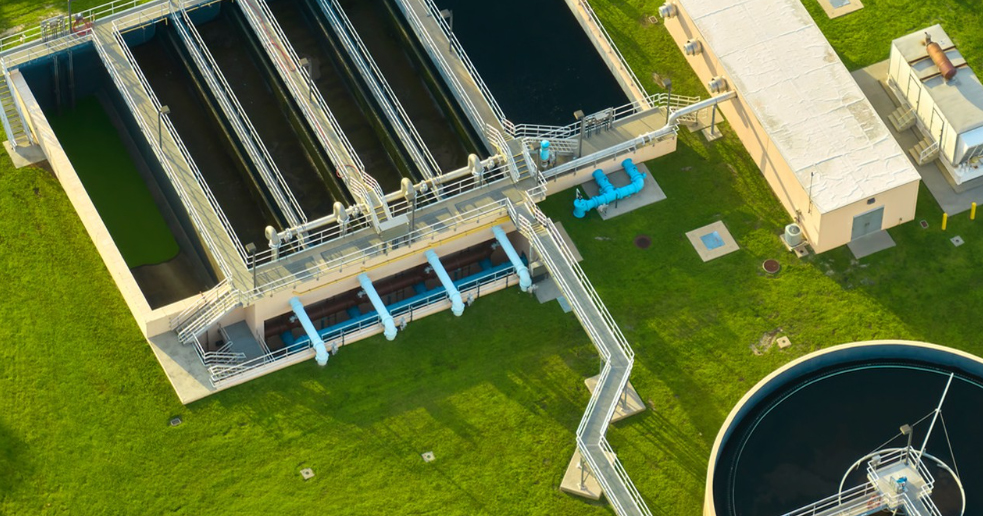
Mining, electroplating, photovoltaic and glass factories produce large volumes of fluoride-containing wastewater. Many plants use lime precipitation as the primary treatment, but residual fluoride often stays above regulatory limits. Fluoride discharged into surface water or groundwater poses long-term risks to aquatic life and public health, making reliable fluoride wastewater treatment a priority for site operators.
Lime treatment forms calcium fluoride precipitates, yet calcium fluoride retains limited solubility at low concentrations. Once fluoride drops to a certain level, extra lime addition no longer delivers further removal. Complex fluorine compounds in some industrial wastewater cannot be captured by simple calcium salts, which is the main barrier for standard fluoride removal processes.
Common fluoride treatment technologies have their own limitations. Lime precipitation is low-cost but cannot achieve deep defluorination and produces high sludge yields. Ion exchange delivers good removal performance but requires high capital investment and frequent resin regeneration. Reverse osmosis removes fluoride effectively, but membrane fouling and concentrated waste disposal add operational burdens.
Shanmei Environment’s deep defluoridator is a specialized fluoride precipitation chemical built for advanced industrial effluent defluorination. It reacts with dissolved fluoride and complex fluorine species to form ultra-low-solubility precipitates. Combined with PAM flocculation, it improves solid-liquid separation and breaks the performance ceiling of single lime treatment.
The deep defluoridator tolerates interfering metal ions in complex wastewater. It can be added after lime pretreatment to polish residual fluoride. It fits existing sedimentation tanks without large civil engineering changes and creates only a small increase in sludge volume.
It is widely used for advanced treatment of wastewater from photovoltaic, glass, mining, ceramic and electroplating industries.
Collect representative wastewater samples and run jar tests to check fluoride concentration, pH and interfering ions. Adjust the pH of the water, add the deep defluoridator under stirring, then use flocculants to form settleable flocs. Optimize dosage according to jar test results to reach target fluoride limits.
A glass manufacturing plant tried raising lime dosage and extending reaction time, yet effluent fluoride still exceeded standards and sludge volume was too high. Jar tests were performed with the deep defluoridator for polishing treatment. After dosing, residual fluoride was reduced to meet discharge requirements while sludge production remained manageable.
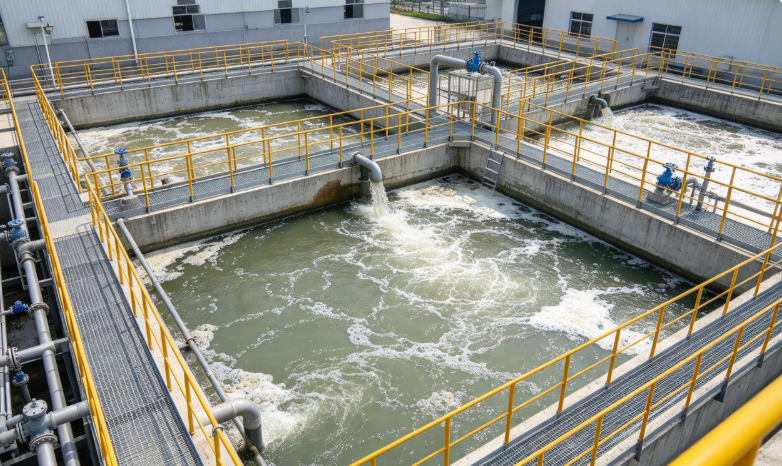
Can deep defluoridator work after lime treatment? Yes, it is commonly used as a polishing agent following lime precipitation. Does it require new tanks? In most cases, it can be applied in existing sedimentation facilities.
For sites struggling with residual fluoride after primary lime treatment, the deep defluoridator provides a practical chemical polishing solution to stabilize fluoride discharge. Reach out to Shanmei Environment for sample testing and custom defluorination design. Email:info@san-mei.com
 中文
 English