Electroplating workshops generate continuous electroplating sewage containing residual metals, surfactants and complexing agents. Many factories struggle with unstable effluent quality, failing discharge standards and high operating costs. Complexed heavy metals are difficult to remove using conventional precipitation, and residual chroma often remains even after multi-stage electroplating wastewater treatment.
Metal ions in electroplating sewage often bind with complexing agents such as cyanide, citrate and EDTA. These stable complexes do not easily form hydroxide precipitates under normal pH adjustment. Standard alkali precipitation can only handle free metal ions, leaving complexed metals in the water and causing compliance risks. Improving heavy metal removal is the core challenge for most plating facilities.
Alkali precipitation is low-cost and works well for free metal ions, yet it is ineffective for complexed heavy metals. Ion exchange delivers good removal performance but requires high capital investment and frequent resin regeneration. Membrane filtration achieves reliable treatment results, but it produces concentrated brine and suffers from frequent fouling and high maintenance costs. All these options have limitations when factories need consistent industrial wastewater decolorization alongside heavy metal control.
Shanmei Environment provides targeted chemical treatment agents for electroplating sewage. The agents break metal complexes and form stable precipitates under adjustable pH conditions. They can work together with PAC and PAM to improve floc formation and solid-liquid separation.
The product works for both free and complexed metal ions. It is compatible with existing sedimentation tanks, requiring no major equipment retrofits. Dosing control is straightforward, making it suitable for continuous and batch treatment.
It is suitable for rack plating, barrel plating and electroless plating lines. The solution covers nickel plating, copper plating, zinc plating and chromium plating rinse water and floor cleaning wastewater.
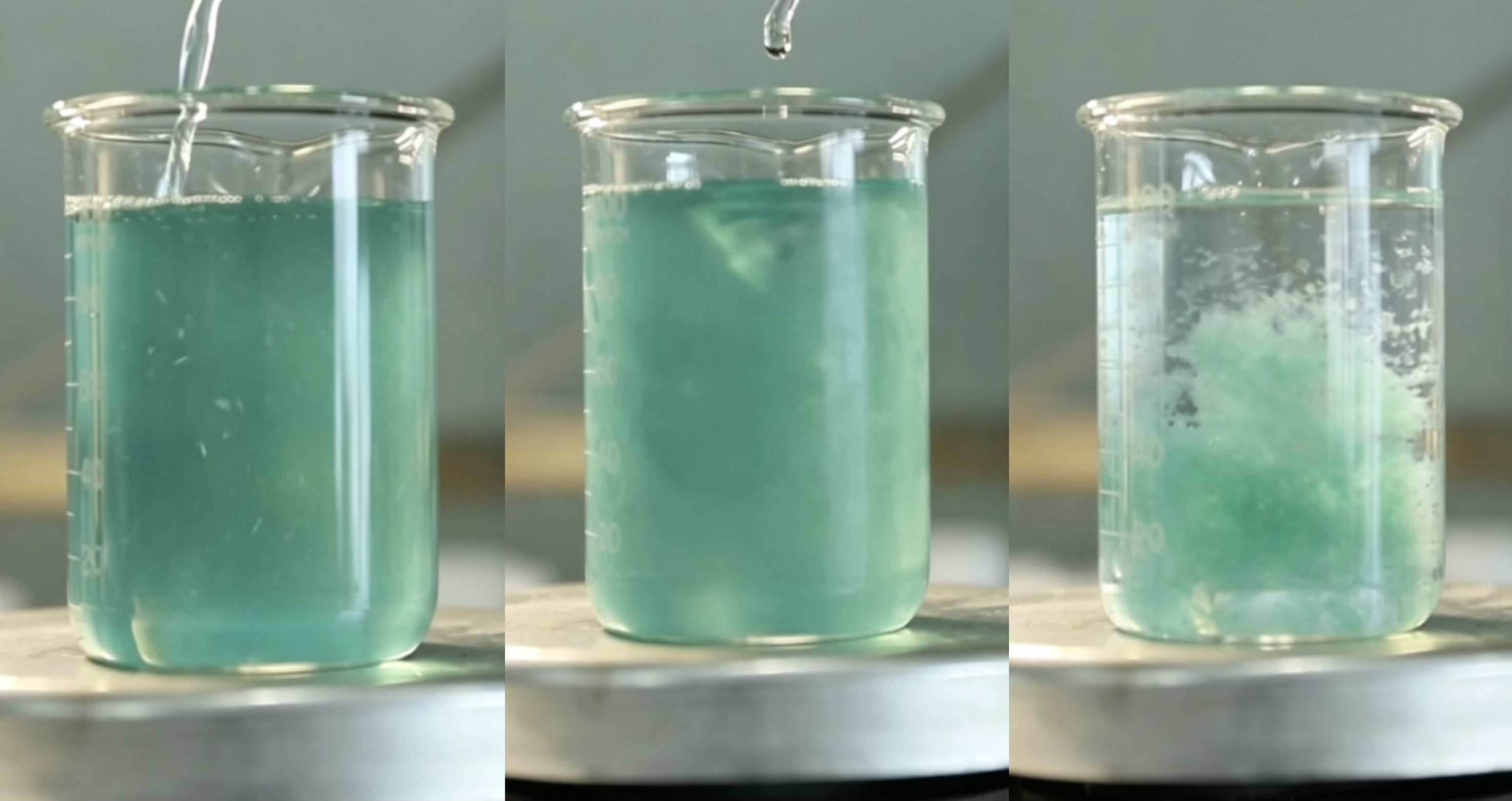
Start with jar tests using on-site electroplating sewage samples to confirm optimal pH range and dosage. Add the complex breaking agent first, adjust pH, then add flocculants for flocculation and sedimentation. Monitor effluent metal concentration regularly and fine-tune dosing according to water quality fluctuations.
A small electroplating factory faced occasional heavy metal excess in electroplating sewage after alkali precipitation. Jar tests were carried out with Shanmei’s complex breaking agent. After proper dosing and pH control, precipitates formed rapidly. The effluent metal concentration met discharge requirements without overhauling the existing sedimentation system.
Can this agent replace ion exchange? It is a chemical precipitation solution. For ultra-low discharge limits, it can be combined with ion exchange as a pre-treatment step. Does it generate large amounts of sludge? Sludge output depends on raw water metal concentration. On-site jar tests help predict sludge production.
Electroplating sewage treatment requires matching chemicals for complexed heavy metals. Proper combination of complex breaking and flocculation helps factories maintain stable discharge and reduce operational expenses. Contact Shanmei Environment to send your water sample for jar testing and custom treatment planning. Email: info@san-mei.com
 中文
中文 English