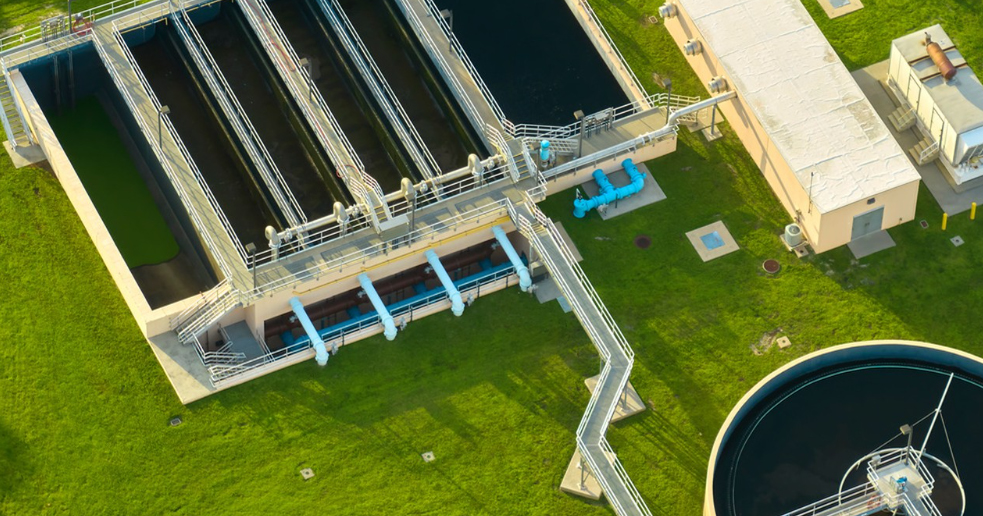
The food and beverage industry generates vast quantities of wastewater characterized by high concentrations of organic matter, nutrients (particularly nitrogen and phosphorus), fats, oils, and grease. Among these, phosphorus removal from food wastewater presents a unique challenge. Excessive phosphorus discharge into water bodies is a primary cause of eutrophication, leading to algal blooms, oxygen depletion, and ecosystem damage. Therefore, effective pre-phosphorus removal is not only a regulatory imperative but also a critical component of sustainable operations for food processors, breweries, dairy plants, and meatpacking facilities.
The need for specialized strategies stems from the complex nature of food wastewater. Phosphorus exists in various forms: orthophosphates (reactive and readily available), polyphosphates, and organically bound phosphorus from food residues and cleaning agents. A robust pre-removal process targets these forms before they interfere with downstream biological treatment or pass through to the final effluent. The primary technologies employed are chemical precipitation, biological uptake, and adsorption, often used in combination.
Chemical precipitation is the most common and immediate method for removing phosphorus. It involves dosing wastewater with phosphorus removal agents—typically metal salts like aluminum sulfate (alum), ferric chloride, or calcium hydroxide (lime). These agents react with soluble phosphate ions to form insoluble precipitates (e.g., aluminum phosphate, iron phosphate, or calcium hydroxyapatite), which are then removed as sludge through sedimentation or filtration. This method is highly effective for achieving low effluent concentrations quickly and is resilient to fluctuations in wastewater flow and composition common in food processing.
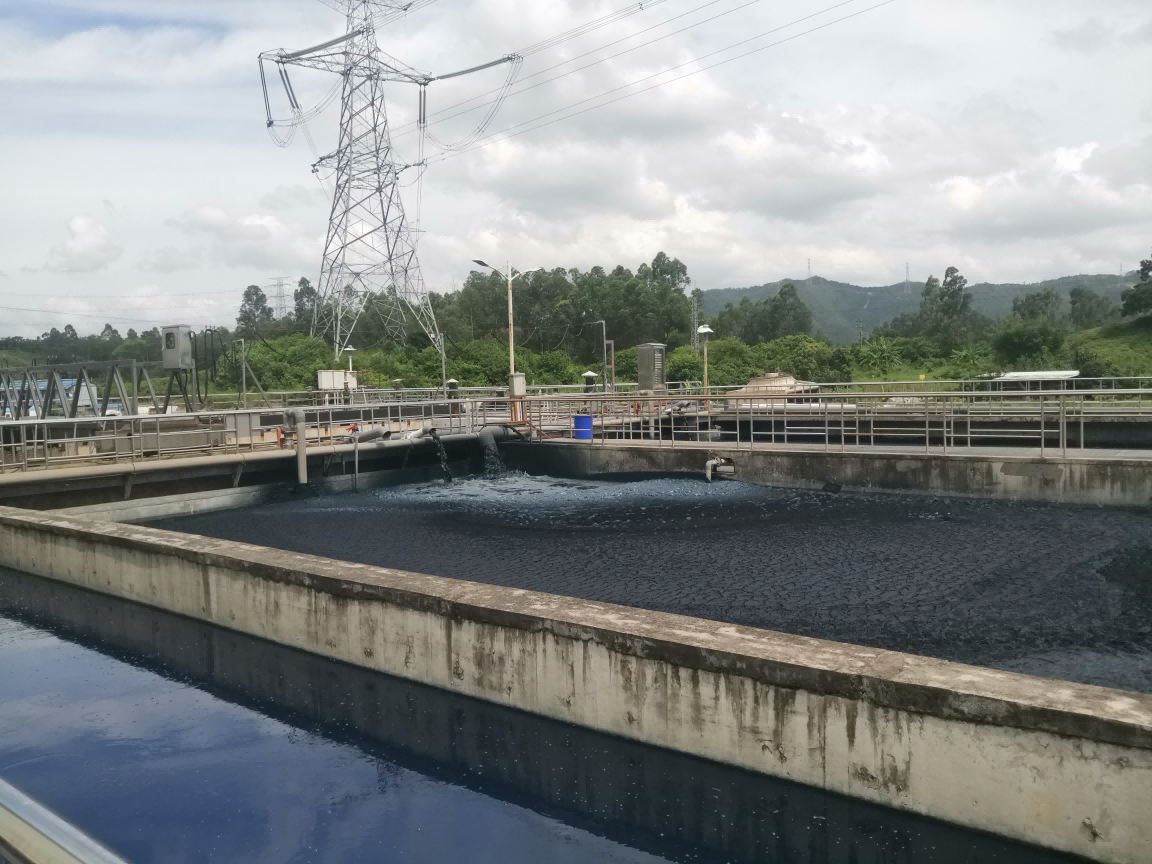
Biological phosphorus removal leverages specific phosphate-accumulating organisms (PAOs) in an anaerobic-oxic sequence. While often part of the main treatment train, pre-conditioning zones can be designed to enhance this process. PAOs take up and store phosphorus intracellularly in excess of their metabolic needs, subsequently removing it through waste sludge. This method is more sustainable and cost-effective in the long run for streams with consistent characteristics but requires careful control and can be sensitive to shocks in organic load or temperature.
Adsorption is an emerging and effective polishing or stand-alone technique for phosphorus removal, especially when low concentrations must be achieved. It utilizes phosphorus removers such as activated alumina, certain industrial by-products, or specialized media that physically bind phosphate ions onto their surfaces. This method is valued for its simplicity, low sludge production, and the potential for adsorbent regeneration.
The selection of the optimal pre-phosphorus removal strategy depends on key factors: the initial phosphorus concentration and form, the required effluent standard, wastewater pH, the presence of interfering ions, and overall cost considerations (chemical, sludge handling, capital). For many food industry applications, a hybrid approach—using chemical precipitation as a reliable first step to handle peak loads and meet strict limits, complemented by biological treatment for overall nutrient reduction—proves most robust. Implementing effective pre-removal ensures regulatory compliance, protects receiving waters, reduces the burden on downstream processes, and contributes to the industry's environmental stewardship goals.
As a professional chemicals manufacturer in the water treatment Industry, Sanmei have helped more than 5,000 plants with process solutions and helped them improve production efficiency, reduce costs, and optimize profit plans. Our main goal is to assist you in optimizing production efficiency and profitability in a sustainable way. Welcome to consult us and get a free wastewater treatment solution by filling in the form below or email to sales@san-mei.com.
 中文
中文 English