The presence of heavy metals—such as lead, mercury, cadmium, chromium, arsenic, and nickel—in industrial wastewater represents one of the most severe environmental and public health challenges. Discharged from industries like mining, metal plating, electronics manufacturing, battery production, and chemical synthesis, these toxic, non-biodegradable elements can accumulate in ecosystems and the food chain. Effective removal of heavy metals from industrial wastewater is therefore not merely a regulatory formality but a critical necessity for ecological protection and sustainable industry. This task is accomplished through sophisticated metal capture agents, which function as molecular-level tools to isolate and extract these hazardous contaminants from water.
A heavy metal removal agent, or metal capturer, operates by interacting with dissolved metal ions to transform them into an easily removable form. The choice of agent depends on the target metal, its concentration, wastewater pH, and the presence of competing substances. Common and effective remover for metal technologies include:
1. Chemical Precipitation & Co-precipitation: This traditional workhorse involves adding chemicals (e.g., hydroxides, sulfides) to form insoluble metal precipitates. While effective for many metals, it can generate large volumes of sludge and may struggle with low concentrations or complex metal mixtures.
2. Adsorption & Ion Exchange: This category uses materials with high surface areas or specific ionic charges to capture metals. Metal capture agents here include activated carbon, specialized resins, bio-sorbents (from agricultural waste), and advanced nanomaterials. These agents can offer high selectivity and efficiency, often allowing for the regeneration of the capture material and potential recovery of the metals.
3. Membrane Filtration: Technologies like reverse osmosis and nanofiltration act as physical barriers, rejecting metal ions. They are highly effective but can be energy-intensive and prone to fouling.
4. Electrochemical Treatment: Methods like electrocoagulation and electrowinning use electrical currents to precipitate or plate out metals onto electrodes, offering precise control and metal recovery potential.
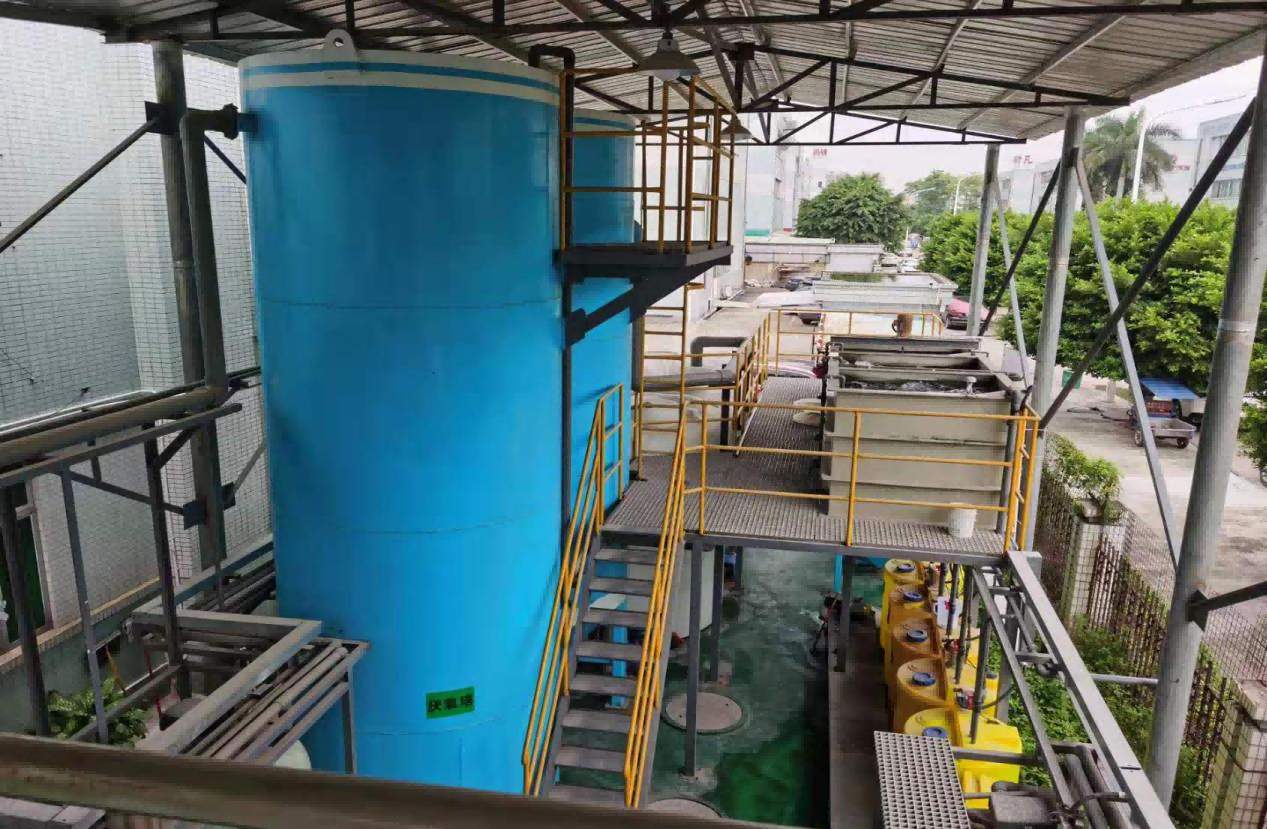
The modern trend is toward hybrid and selective systems. The ideal metal capturer is no longer just about bulk removal; it prioritizes selectivity—targeting specific metals even in complex waste streams—and sustainability. Innovations focus on agents derived from renewable resources, systems that minimize waste, and processes that enable the circular economy by recovering valuable metals like copper or nickel for reuse. Furthermore, smart treatment plants integrate real-time sensors and automated dosing systems to optimize the performance of these agents, ensuring compliance while controlling costs.
Ultimately, implementing an advanced metal removal strategy using tailored heavy metal removal agents provides industries with a pathway to meet stringent global discharge standards, reduce environmental liability, and contribute to resource conservation. As regulations tighten and sustainability becomes a core business metric, these technologies are indispensable for the future of responsible manufacturing.
As a professional chemicals manufacturer in the water treatment Industry, Sanmei have helped more than 5,000 plants with process solutions and helped them improve production efficiency, reduce costs, and optimize profit plans. Our main goal is to assist you in optimizing production efficiency and profitability in a sustainable way. Welcome to consult us and get a free wastewater treatment solution by filling in the form below or email to sales@san-mei.com.
 中文
中文 English