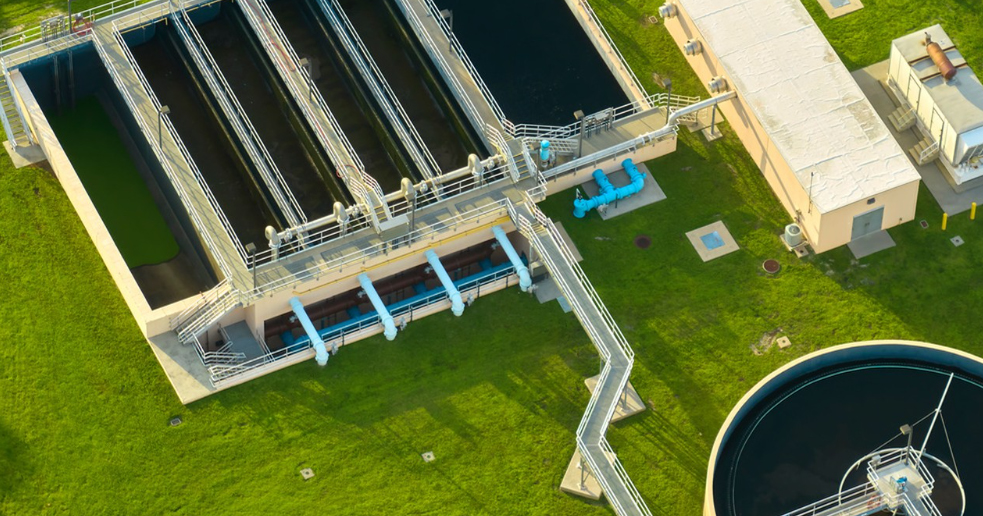
Demulsifiers are specialized chemical agents critical for treating one of the most challenging waste streams in industry: oily wastewater. Across sectors like petrochemical refining, metalworking, food processing, and textile manufacturing, processes generate stable emulsions where oil is finely dispersed in water (or vice-versa). These emulsions, resistant to simple gravity separation, pose significant environmental and operational challenges. Effective oil-water separation is therefore essential for regulatory compliance, water reuse, and cost reduction, placing demulsifiers for wastewater treatment at the heart of modern industrial wastewater management.
The science of emulsion breaking revolves around destabilizing the protective barrier surrounding dispersed oil droplets. Emulsions are stabilized by surfactants or fine solid particles that reduce interfacial tension and create repulsive charges between droplets. A demulsifier works by counteracting these stabilizing forces. Its molecules are designed to displace or neutralize the original surfactants, promote droplet coalescence, and ultimately separate the oil and water into distinct, separable phases. Common mechanisms include charge neutralization (using cationic agents for anionic-stabilized emulsions), flocculation, and bridging between droplets.
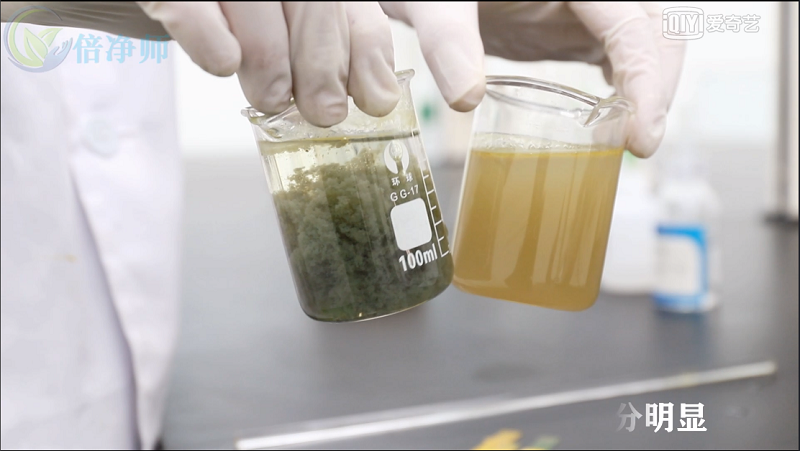
Selecting the right demulsifier is a nuanced process, dictated by the wastewater's specific characteristics. Key factors include the type of oil (e.g., crude, lubricant, vegetable), the nature of the emulsion (oil-in-water or water-in-oil), pH, temperature, and salinity. Formulations often contain a blend of polymers, surfactants, and solvents tailored to these conditions. For instance, a wastewater stream from a metalworking plant with high lubricant content may require a different demulsifier chemistry than one from a food processing facility with animal or plant fats. The application process is equally important; demulsifiers are typically dosed into the wastewater stream with controlled mixing, followed by a settling period in an API separator, dissolved air flotation (DAF) unit, or similar apparatus to allow the separated oil to rise for skimming.
The evolution of demulsifier technology is increasingly driven by efficiency and sustainability. Modern developments focus on multi-functional formulations that simultaneously tackle emulsions, suspended solids, and even some dissolved contaminants. There is also a growing interest in bio-based or environmentally benign demulsifiers that maintain high performance while reducing ecological impact. Furthermore, the integration of smart dosing systems—connected to real-time sensors monitoring oil content—optimizes chemical usage, minimizes sludge, and lowers operational costs. For industries striving for "zero liquid discharge" or high rates of water recycling, advanced demulsification is not just a treatment step but a vital enabler of circular water economies.
As a professional chemicals manufacturer in the water treatment Industry, Sanmei have helped more than 5,000 plants with process solutions and helped them improve production efficiency, reduce costs, and optimize profit plans. Our main goal is to assist you in optimizing production efficiency and profitability in a sustainable way. Welcome to consult us and get a free wastewater treatment solution by filling in the form below or email to sales@san-mei.com.
 中文
中文 English