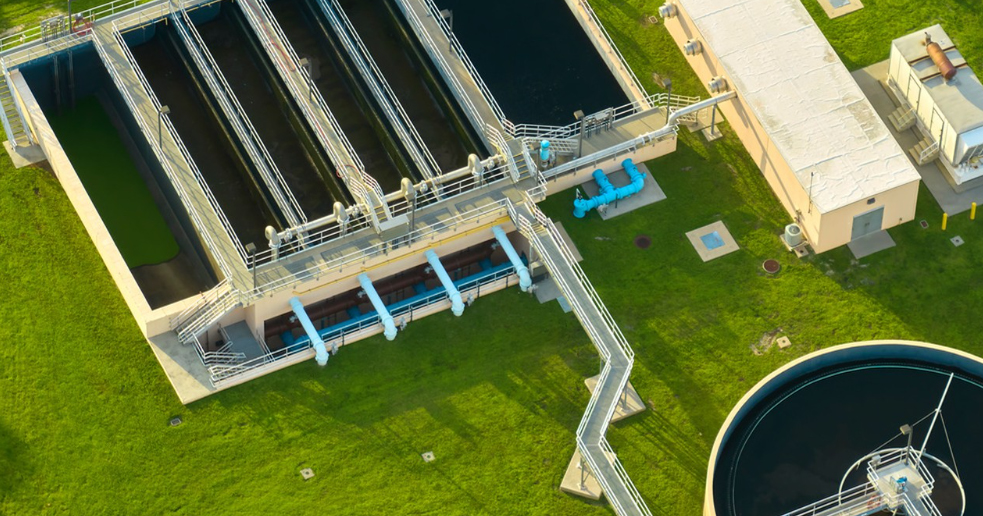
Industrial processes across multiple sectors—including mining, metal plating, electronics manufacturing, and battery production—generate wastewater containing toxic heavy metals such as cadmium, lead, mercury, chromium, and nickel. Effective treatment of these effluents is critical not only for regulatory compliance but also for protecting ecosystems and public health. Advanced technologies centered on specialized heavy metal removal agents are now widely adopted to achieve efficient and reliable removal of heavy metals from industrial effluents.
The core of modern heavy metal remediation lies in the use of metal capturers—engineered chemical or biological materials designed to selectively bind and immobilize target metal ions. These metal capture agents operate through mechanisms such as ion exchange, chelation, adsorption, or precipitation. For example, certain organic chelating agents form stable, insoluble complexes with metal ions, while inorganic adsorbents like activated alumina or functionalized silica exhibit high affinities for specific metals. The effectiveness of a remover for metal heavily depends on wastewater pH, the presence of competing ions, and the speciation of the target metals.
In practice, treatment systems often combine multiple heavy metal removal agents in a staged process. Initial steps may involve pH adjustment to optimize binding conditions, followed by dosing with a selective metal capturer, and concluding with solid-liquid separation via filtration or sedimentation. Advanced systems increasingly employ smart monitoring and automated chemical dosing to maintain consistent effluent quality while minimizing chemical consumption and sludge generation.
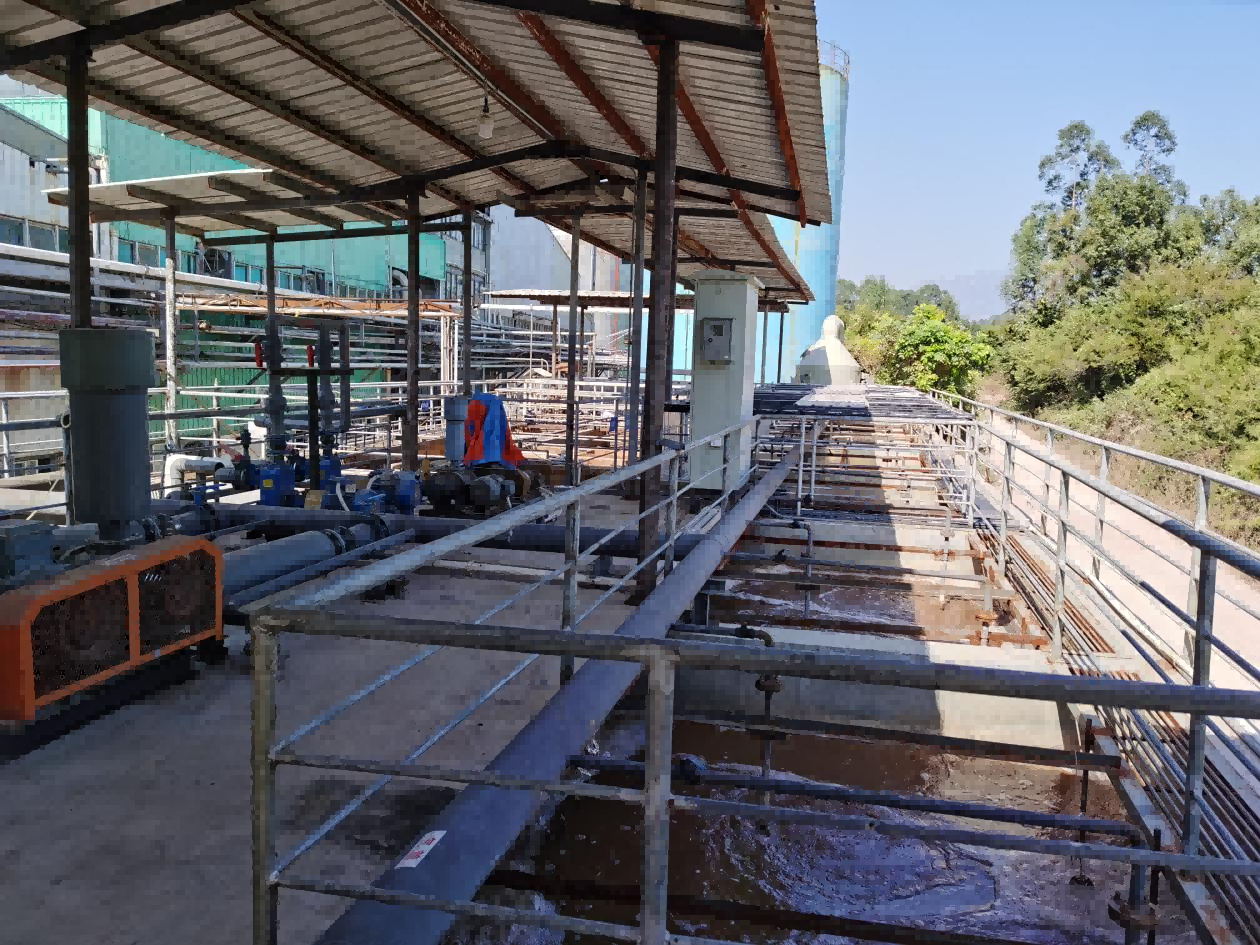
Key application areas for these technologies include electroplating facilities, where cyanide-complexed metals require specialized breakpoint chlorination before capture; mining operations, which generate acidic metal-laden drainage; and electronics manufacturing, with its complex streams containing copper, tin, and precious metals. Increasingly, industries are also focusing on metal recovery—transforming waste into resource—by using regenerative metal capture agents that allow for the elution and recycling of captured metals.
As regulations tighten and sustainability becomes a core industrial value, innovation in remover for metal technology continues to advance. New materials such as bio-sorbents, nano-composites, and molecularly imprinted polymers offer higher capacities, faster kinetics, and better selectivity. These developments not only enhance treatment performance but also support the transition toward circular economy models in water-intensive industries.
As a professional chemicals manufacturer in the water treatment Industry, Sanmei have helped more than 5,000 plants with process solutions and helped them improve production efficiency, reduce costs, and optimize profit plans. Our main goal is to assist you in optimizing production efficiency and profitability in a sustainable way. Welcome to consult us and get a free wastewater treatment solution by filling in the form below or email to sales@san-mei.com.
 中文
中文 English