Pharmaceutical manufacturing generates complex wastewater containing synthetic dyes, antibiotic residues, and organic compounds that impart deep, persistent colors. These colored effluents not only create aesthetic concerns but also indicate the presence of recalcitrant pollutants that resist conventional biological treatment. Effective decolorizers are essential for pharmaceutical facilities to meet discharge standards and protect receiving water bodies from visual pollution and chemical contamination.
Pharmaceutical wastewater derives its intense coloration from multiple sources. Tablet coating processes use synthetic dyes that bind strongly to water. Antibiotic fermentation produces dark-colored byproducts. Chemical synthesis generates chromophoric intermediates that are difficult to degrade. These color-causing compounds often resist conventional biological treatment, passing through systems largely unchanged. Without specialized intervention, colored effluent can violate discharge permits and harm downstream aquatic ecosystems.
Modern chemical decolorizing agents employ multiple mechanisms to remove color for pharmaceutical wastewater. Advanced oxidation processes generate highly reactive species that break the conjugated double bonds responsible for color. Coagulation-based decolorizers destabilize suspended dye particles, causing them to aggregate into filterable flocs. Adsorption agents capture dissolved color molecules on high-surface-area materials. The most effective approaches combine these mechanisms, ensuring comprehensive color removal even from challenging wastewater streams.
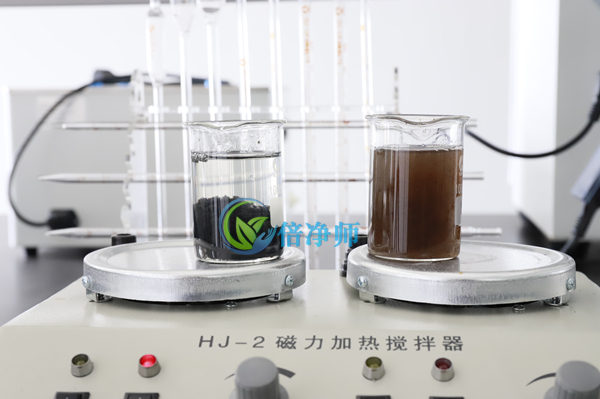
Key advantages of these decolorizers for wastewater include rapid reaction times, high removal efficiency, and compatibility with existing treatment infrastructure. Many formulations are specifically designed to handle the variable loads and complex chemistry typical of pharmaceutical operations.
For optimal results, decolorizing agents should be applied at strategic points in the treatment train. Pre-treatment addition helps remove color before it reaches biological systems, protecting microorganisms from inhibitory compounds. Post-biological polishing ensures final effluent meets stringent discharge requirements. Dosing can be automated based on real-time color measurement, ensuring consistent performance while minimizing chemical consumption.
Effective decolorizer application delivers multiple operational benefits. Improved visual quality demonstrates treatment effectiveness to regulators and the public. Many decolorizing formulations also reduce chemical oxygen demand and remove trace organic contaminants. By enabling water reuse opportunities, they support sustainability goals while lowering freshwater consumption and discharge volumes.
As a professional chemicals manufacturer in the water treatment Industry, Sanmei have helped more than 5,000 plants with process solutions and helped them improve production efficiency, reduce costs, and optimize profit plans. Our main goal is to assist you in optimizing production efficiency and profitability in a sustainable way. Welcome to consult us and get a free wastewater treatment solution by filling in the form below or email to sales@san-mei.com.
 中文
中文 English