Printing and dyeing wastewater presents complex treatment challenges due to its high chemical oxygen demand, intense color, and significant phosphorus content. Phosphorus in textile wastewater originates from various sources including phosphate-based detergents used in scouring, complexing agents in dyeing processes, and finishing chemicals applied to fabrics. Excessive phosphorus discharge causes eutrophication in receiving waters, leading to algal blooms, oxygen depletion, and ecosystem damage. Effective phosphorus removal agents specifically formulated for textile wastewater are essential for meeting stringent discharge standards and protecting aquatic environments.
The phosphorus profile in printing and dyeing wastewater differs substantially from municipal sewage. Organic phosphonates used as stabilizers and sequestering agents resist conventional biological uptake. Polyphosphates from detergents hydrolyze slowly, requiring extended treatment times. Orthophosphate, the most readily removable form, coexists with these more recalcitrant phosphorus compounds, creating a mixed-profile treatment challenge.
Without targeted chemical intervention, biological treatment alone rarely achieves the low phosphorus limits required by modern environmental regulations. Facilities must supplement biological processes with chemical polishing or implement dedicated chemical phosphorus removal systems to ensure compliance.
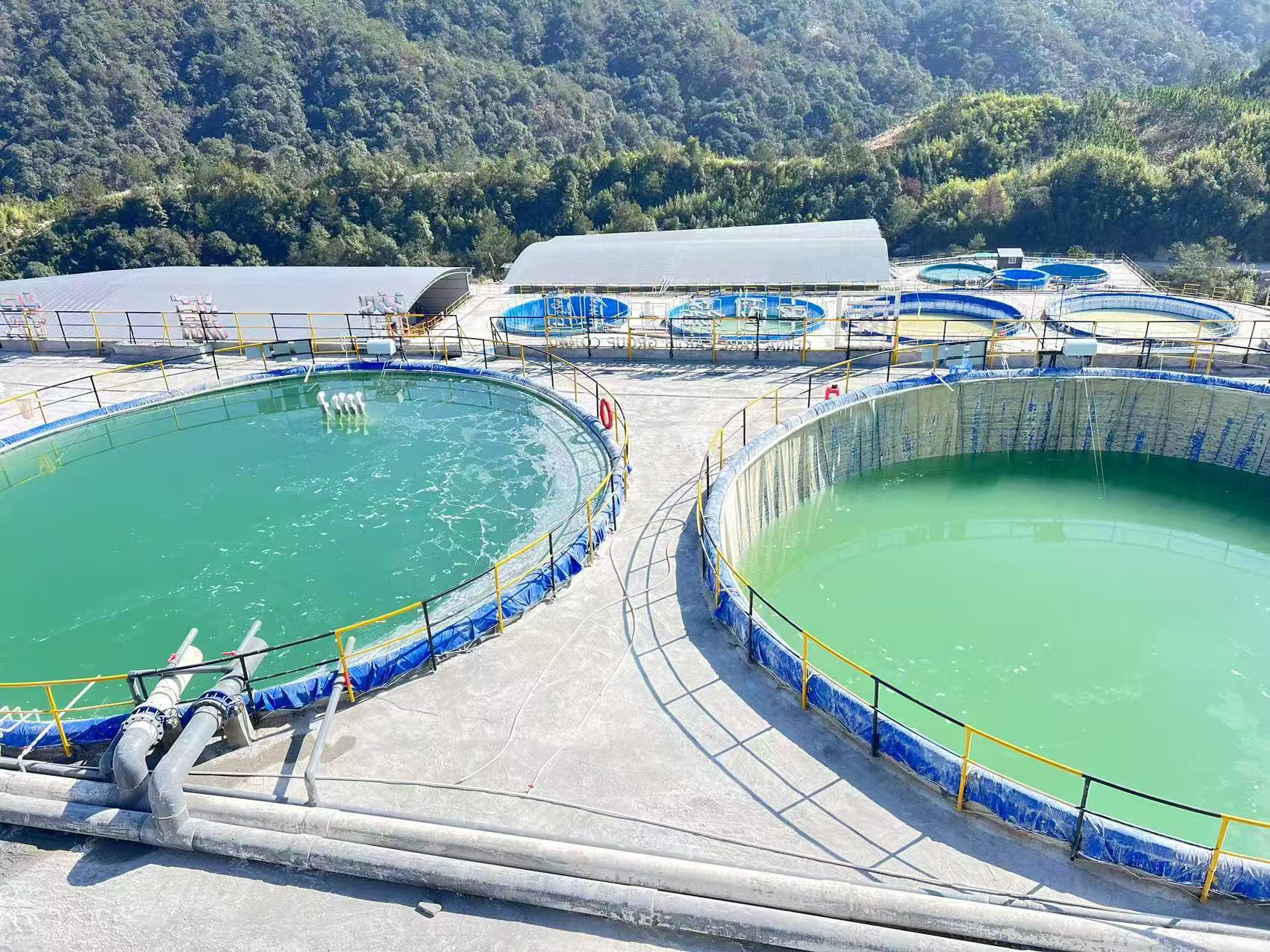
Phosphorus removal agents function primarily through chemical precipitation. When added to wastewater, metal salts such as aluminum sulfate, ferric chloride, or calcium hydroxide react with soluble phosphate ions to form insoluble metal phosphate compounds. These precipitates aggregate into flocs that can be removed through sedimentation or filtration.
For printing and dyeing wastewater, specialized phosphorus removers must contend with interferences from dyes, surfactants, and high suspended solids. Advanced formulations incorporate polymers that enhance floc formation and settling, improving overall phosphorus removal efficiency. The polymer component also assists in dye capture, providing dual benefits in a single treatment step.
Choosing the appropriate remove phosphorus strategy depends on wastewater characteristics including phosphorus concentration, pH, alkalinity, and the presence of competing ions. Aluminum-based agents perform well across a broad pH range and produce dense, rapidly settling flocs. Iron-based agents offer effectiveness at lower dosages but may impart color to treated effluent. Calcium-based precipitation requires higher pH conditions but produces a stable, filterable precipitate.
For phosphorus removal from printing and dyeing wastewater, the presence of organic phosphonates often necessitates advanced treatment approaches. Some formulations incorporate oxidation catalysts that break down organic phosphorus compounds before precipitation, ensuring complete phosphorus removal rather than simply capturing orthophosphate.
Effective phosphorus management integrates chemical addition at strategic points within the treatment train. Pre-precipitation adds phosphorus removal agents to raw wastewater, removing phosphorus early and reducing load on biological processes. Simultaneous precipitation doses chemicals directly into aeration basins, combining phosphorus removal with biological treatment. Post-precipitation provides final polishing after biological treatment, ensuring ultra-low effluent concentrations.
Each approach offers distinct advantages, and many facilities combine multiple addition points for optimal performance. Automated dosing systems linked to real-time phosphorus analyzers enable precise chemical control, minimizing usage while ensuring consistent compliance.
Beyond regulatory compliance, effective phosphorus removal delivers broader operational benefits. Reduced phosphorus loading on receiving waters protects aquatic ecosystems and supports facility environmental stewardship goals. Recovered phosphorus from chemical sludges can potentially be recycled as fertilizer, aligning with circular economy principles. Improved effluent quality also enables water reuse opportunities, reducing freshwater consumption and wastewater discharge volumes.
For textile facilities facing increasingly stringent phosphorus limits, working with experienced treatment professionals ensures selection of appropriate phosphorus removal agents and implementation strategies tailored to specific wastewater characteristics and operational requirements.
As a professional chemicals manufacturer in the water treatment Industry, Sanmei have helped more than 5,000 plants with process solutions and helped them improve production efficiency, reduce costs, and optimize profit plans. Our main goal is to assist you in optimizing production efficiency and profitability in a sustainable way. Welcome to consult us and get a free wastewater treatment solution by filling in the form below or email to sales@san-mei.com.
 中文
中文 English