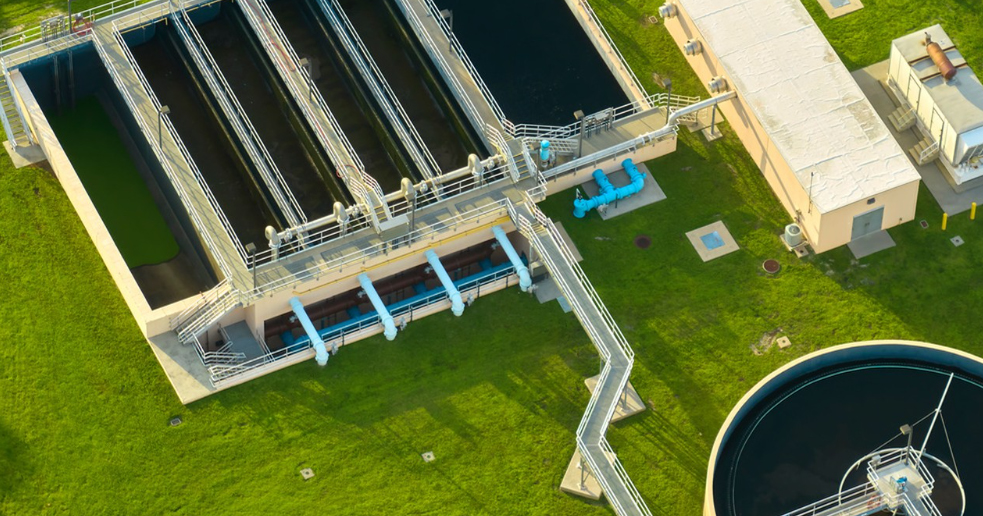
Ammonia nitrogen is one of the most concerning pollutants in municipal and industrial wastewater, primarily originating from human waste, industrial discharges, and agricultural runoff. When discharged untreated into natural water bodies, ammonia nitrogen can cause severe environmental problems including eutrophication, oxygen depletion, and toxicity to aquatic life. Municipal wastewater treatment facilities employ various methods to remove ammonia nitrogen effectively, utilizing both biological and chemical approaches depending on specific requirements and site conditions.
The most widely adopted method for ammonia nitrogen removal in municipal wastewater treatment is biological nitrification-denitrification. This two-stage process harnesses naturally occurring bacteria to transform ammonia into harmless nitrogen gas. In the nitrification stage, autotrophic bacteria such as Nitrosomonas and Nitrobacter oxidize ammonia first to nitrite and then to nitrate under aerobic conditions. This requires adequate oxygen supply, appropriate temperature ranges, and sufficient retention time. The subsequent denitrification stage occurs under anoxic conditions, where heterotrophic bacteria convert nitrate to nitrogen gas, which safely escapes to the atmosphere.
For facilities facing high ammonia loads or seeking rapid treatment solutions, chemical precipitation using ammonia nitrogen removal agents offers an effective alternative. The formation of magnesium ammonium phosphate, commonly known as struvite, provides a reliable method for ammonia removal. By adding magnesium and phosphate sources to wastewater under controlled pH conditions, ammonia precipitates as struvite crystals that can be easily separated. This approach not only removes ammonia but also produces a valuable slow-release fertilizer, creating economic value from waste treatment.
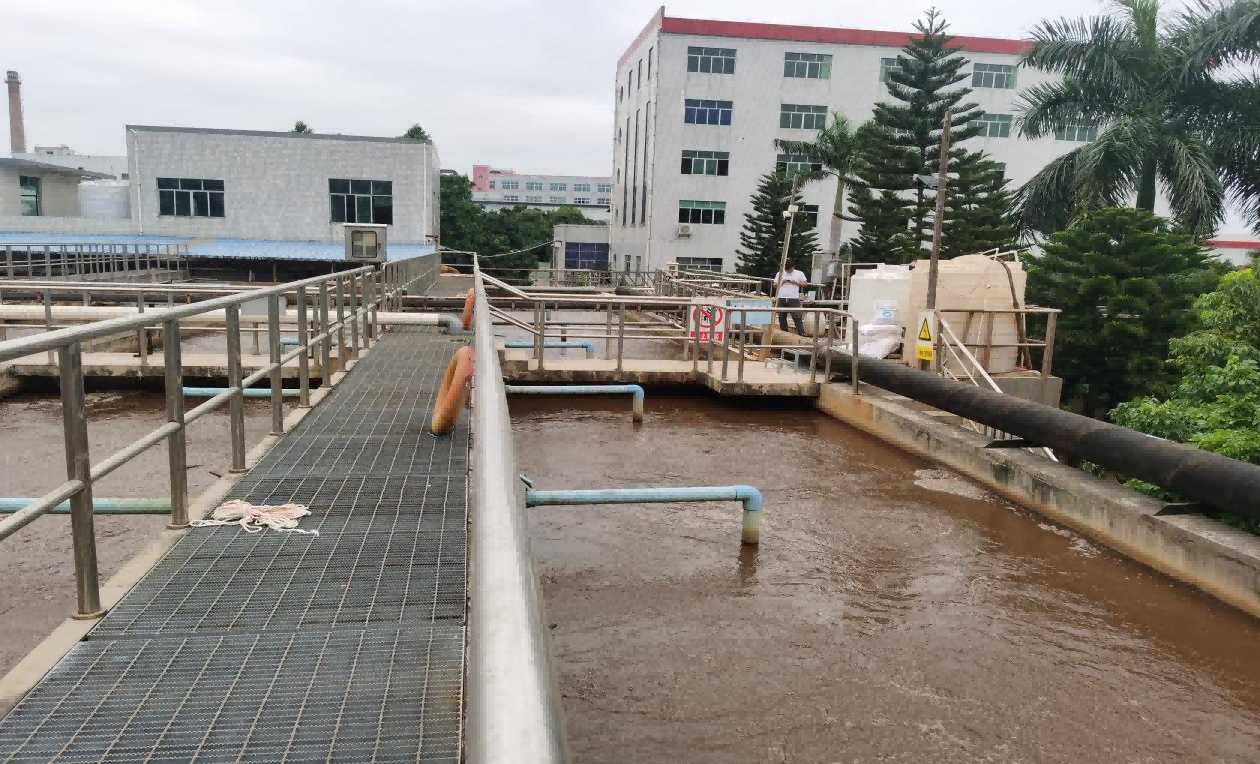
Breakpoint chlorination represents another chemical approach for ammonia nitrogen removal, particularly suitable for polishing treated effluent or treating relatively low ammonia concentrations. When chlorine is added to wastewater containing ammonia, it reacts to form chloramines initially, and with continued chlorine addition, these compounds oxidize to nitrogen gas at the breakpoint. This method achieves rapid and complete ammonia removal but requires careful control to avoid excessive chlorine residuals and the formation of disinfection byproducts.
Advanced treatment systems increasingly utilize adsorption media and ion exchange resins specifically designed as ammonia nitrogen removers. Natural zeolites, particularly clinoptilolite, demonstrate high selectivity for ammonium ions, capturing them from wastewater through ion exchange mechanisms. These materials can be regenerated using sodium chloride solutions, allowing repeated use while recovering ammonia in concentrated form. Synthetic ion exchange resins offer even higher exchange capacities and faster kinetics, though at higher capital cost.
Successful ammonia nitrogen management typically combines multiple approaches tailored to specific wastewater characteristics and treatment objectives. Most municipal facilities rely primarily on biological processes for their cost-effectiveness and sustainability, supplemented by chemical polishing when needed to meet stringent discharge limits. Factors influencing method selection include influent ammonia concentration, available space, energy costs, discharge requirements, and potential for resource recovery.
The selection of appropriate ammonia nitrogen removal agents and treatment configurations requires careful consideration of site-specific factors. Facilities must balance treatment efficiency, operational costs, sludge production, and environmental impacts when designing their ammonia removal strategies. As regulatory standards continue to tighten globally, effective ammonia nitrogen management remains essential for protecting water resources and supporting sustainable urban development.
As a professional chemicals manufacturer in the water treatment Industry, Sanmei have helped more than 5,000 plants with process solutions and helped them improve production efficiency, reduce costs, and optimize profit plans. Our main goal is to assist you in optimizing production efficiency and profitability in a sustainable way. Welcome to consult us and get a free wastewater treatment solution by filling in the form below or email to sales@san-mei.com.
 中文
中文 English