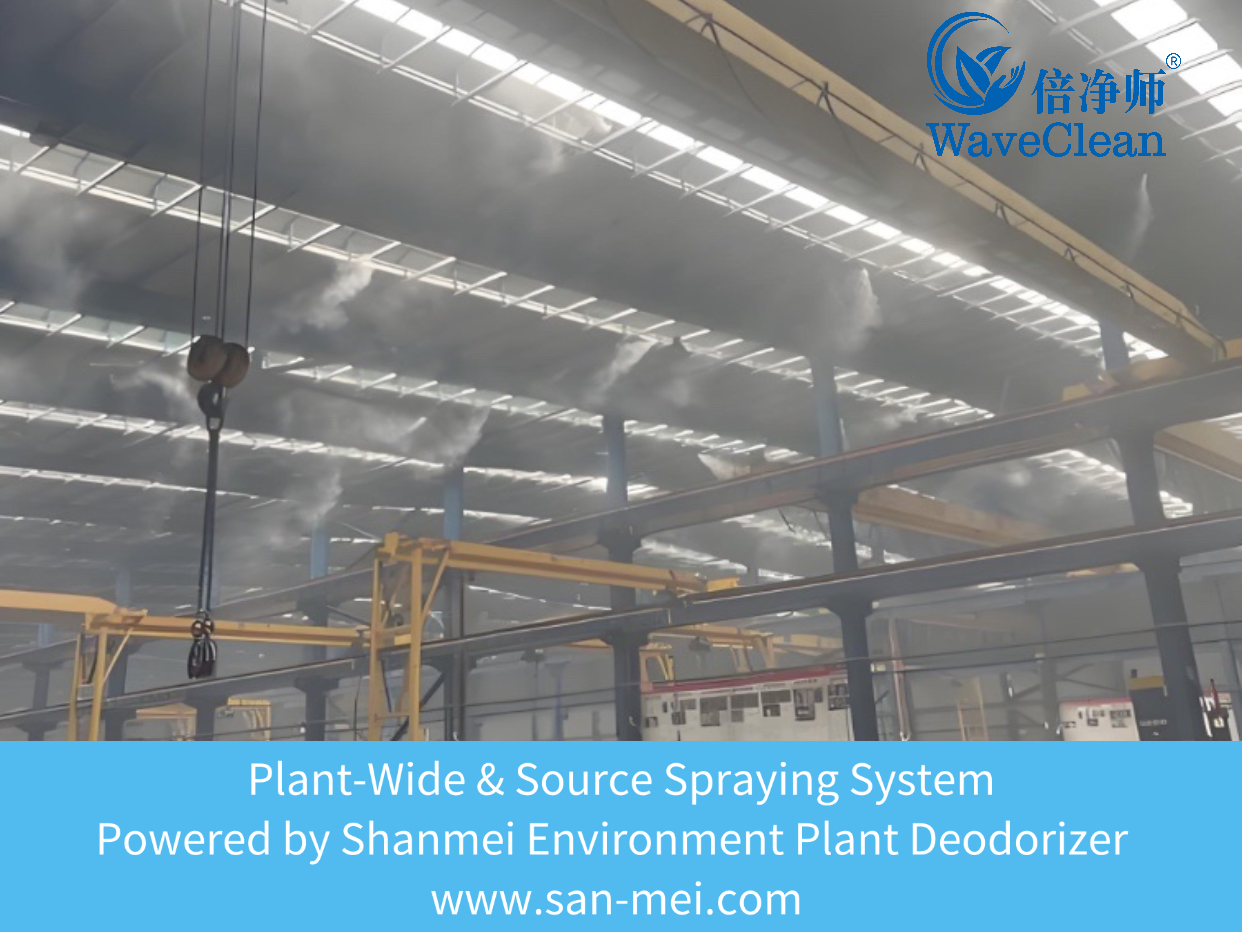
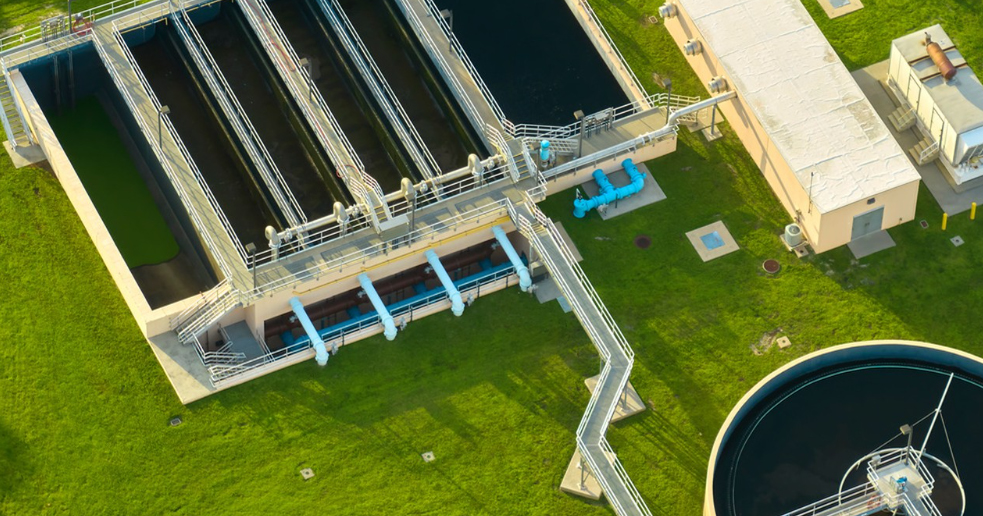
Steel manufacturing generates highly contaminated wastewater containing elevated fluoride concentrations from processes such as pickling, sintering, and steel refining. During steelmaking, fluorite is commonly added to improve slag fluidity and facilitate desulfurization, resulting in high fluoride concentrations in various steel industry waste streams. This fluoride-laden wastewater poses serious environmental risks, including soil and groundwater contamination, and requires specialized treatment to meet stringent discharge standards. Effective fluoride removers and optimized defluorination processes have become essential technologies for steel mill wastewater treatment.
The most widely adopted method for fluoride removal in steel plants is chemical precipitation using calcium-based reagents. Lime or calcium chloride reacts with fluoride ions to form insoluble calcium fluoride precipitates that can be separated through sedimentation. However, conventional lime treatment is limited by the solubility of calcium fluoride, typically achieving residual fluoride concentrations that often fail to meet strict regulatory requirements.
To overcome these limitations, advanced fluoride removal agents combine multiple mechanisms. Modern formulations incorporate organic chelating agents that convert free fluoride into complexed forms, coupled with iron-aluminum-manganese composites that leverage coordination complexation, coprecipitation, and hydroxyl adsorption for synergistic fluoride removal. These advanced agents can achieve effluent concentrations well below regulatory limits, significantly outperforming conventional methods.
Research on coagulation-sedimentation treatment of metallurgical fluoride wastewater has identified optimal conditions including specific pH ranges and coagulant dosages. Under optimized parameters, fluoride removal efficiency can reach high levels in laboratory settings, while full-scale applications typically achieve substantial total fluoride removal with effluent concentrations meeting discharge standards.
For polishing applications requiring ultra-low fluoride levels, adsorption technologies provide effective solutions. Novel adsorbents developed from industrial waste materials demonstrate remarkable defluoridation performance through heat and acid activation. This approach achieves high fluoride removal in batch studies, with maximum adsorption capacity suitable for industrial applications. The dual benefit of reusing industrial waste while treating wastewater represents a circular economy approach to environmental management.
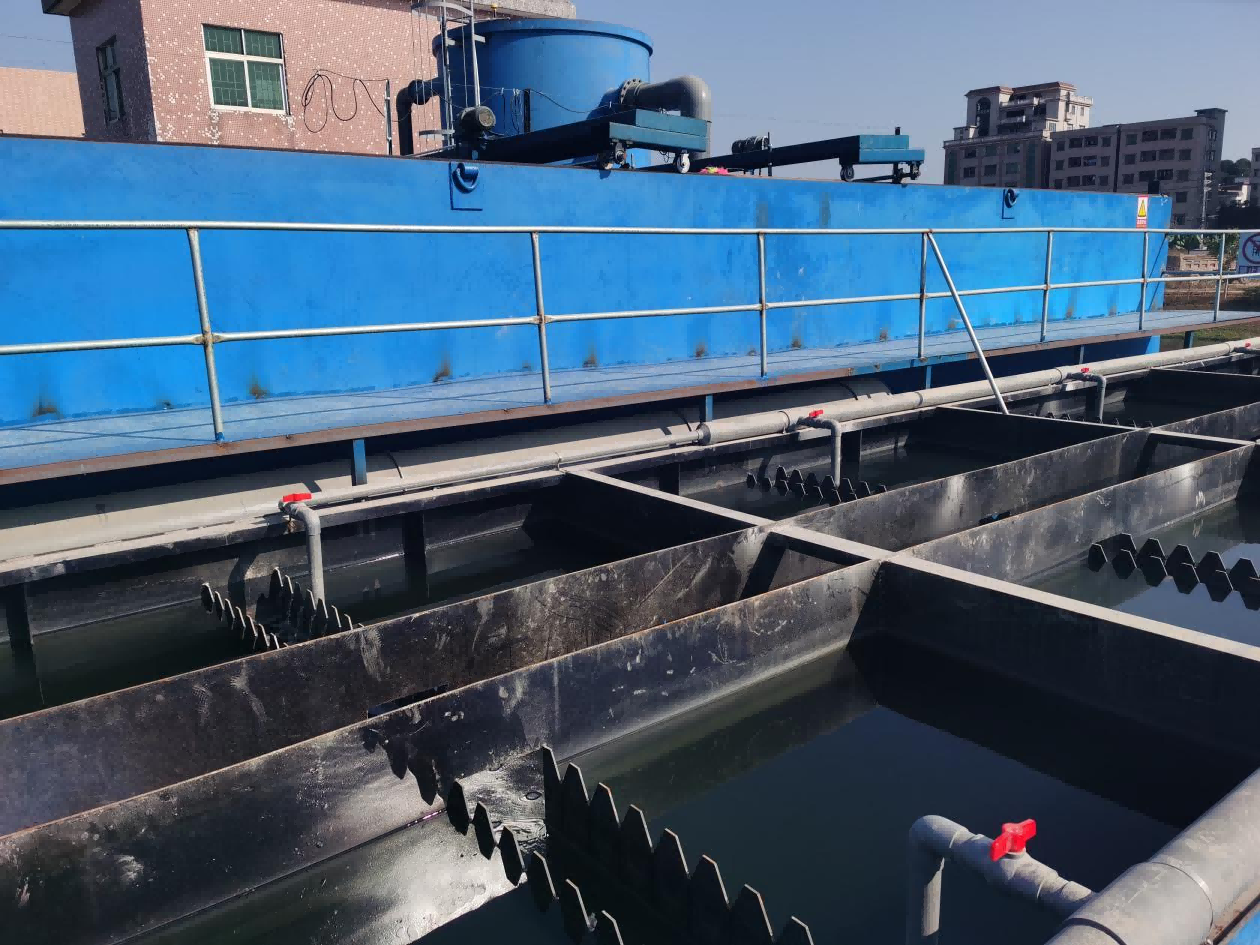
Specialized ion exchange resins with fluoride-selective functional groups can achieve very low effluent concentrations, making them suitable for meeting the most stringent discharge standards. These resins operate effectively in neutral to alkaline pH ranges and can be regenerated using aluminum sulfate solutions, providing sustainable long-term treatment options.
Advanced oxidation-coagulation using sodium ferrate has demonstrated simultaneous removal of fluoride, turbidity, and heavy metals from steel industry wastewater. Although additional treatment steps may be needed to meet strict fluoride limits, this approach offers integrated contaminant removal benefits.
Vortex layer devices represent another technological innovation, combining electromagnetic fields, cavitation, and acoustic vibrations to enhance fluoride precipitation. With optimal pH control and very short treatment times, these systems can achieve residual fluoride well below regulatory requirements using lime as the primary chemical agent.
A steel mill carbochemical plant successfully implemented combined fluoride removal technology to address high fluoride levels resulting from fluorite use in steelmaking. Field trial results demonstrated significant fluoride reduction, meeting regulatory requirements while achieving substantial reductions in chemical treatment usage, chemical exposure time for workers, and sludge generation. This case demonstrates that optimized defluorination processes can deliver both environmental compliance and operational efficiency.
For steel plants facing increasingly stringent discharge limits, integrated treatment approaches combining chemical precipitation, adsorption, and advanced oxidation offer the most reliable path to compliance. The selection of appropriate fluoride removal agents depends on factors including initial fluoride concentration, wastewater volume, and site-specific discharge requirements. By implementing optimized treatment systems, steel manufacturers can protect local water resources while maintaining efficient production operations.
As a professional chemicals manufacturer in the water treatment Industry, Sanmei have helped more than 5,000 plants with process solutions and helped them improve production efficiency, reduce costs, and optimize profit plans. Our main goal is to assist you in optimizing production efficiency and profitability in a sustainable way. Welcome to consult us and get a free wastewater treatment solution by filling in the form below or email to sales@san-mei.com.
 中文
中文 English