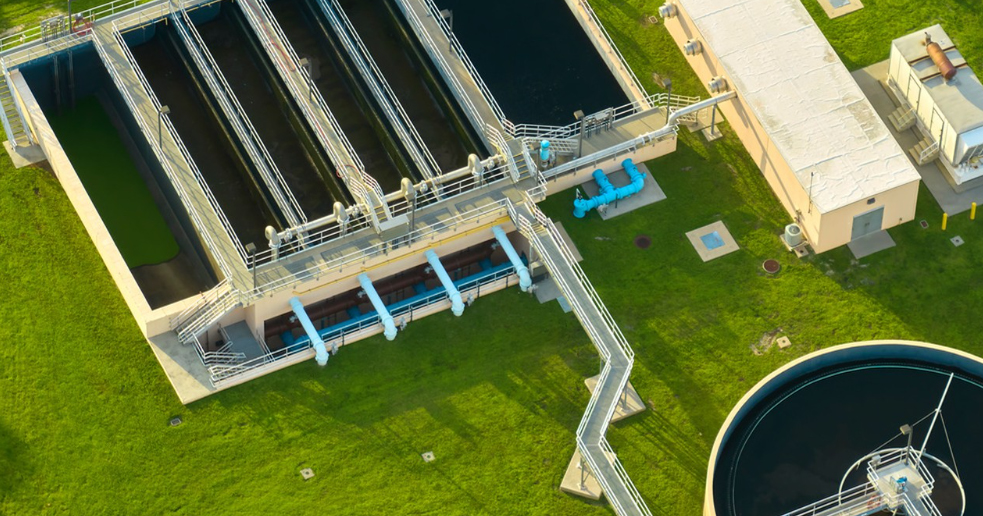
Municipal sewage treatment plants face the critical challenge of removing suspended solids, organic matter, and contaminants from vast volumes of wastewater before returning clean water to the environment. At the core of this purification process lies flocculants technology – specialized chemical agents that transform tiny, unsettleable particles into larger aggregates that can be easily removed. These sewage treatment solutions are indispensable for meeting regulatory standards, protecting aquatic ecosystems, and enabling water reuse in an increasingly water-scarce world.
The science behind flocculants centers on overcoming the natural forces that keep fine particles suspended in water. Most suspended solids carry negative surface charges, causing them to repel each other and remain dispersed indefinitely. Flocculants, typically long-chain polymers with charged sites, work by neutralizing these charges and bridging between particles. This process creates larger, heavier flocs that settle rapidly under gravity or can be captured by filtration systems. The effectiveness of a flocculant depends on molecular weight, charge density, and the specific characteristics of the wastewater being treated.
Municipal sewage treatment facilities employ various flocculant types depending on their specific needs. Synthetic organic polymers – polyacrylamides – dominate the market due to their high efficiency and versatility. These can be anionic, cationic, or nonionic, allowing operators to match the flocculant charge to the wastewater characteristics. Cationic polymers are particularly effective for sludge dewatering, while anionic varieties excel in raw water clarification.
Inorganic flocculants, such as aluminum sulfate (alum) and ferric chloride, remain widely used, particularly in coagulation pretreatment stages. These metal salts neutralize charges and form hydroxide precipitates that sweep suspended particles from the water. Many plants now employ hybrid approaches, combining inorganic coagulants with polymer flocculants to achieve optimal results while minimizing chemical costs.
In primary treatment, flocculants enhance the removal of suspended solids and associated pollutants. By aggregating fine particles, they increase settling rates in primary clarifiers, reducing the organic load entering biological treatment stages. This improves overall plant capacity and reduces energy consumption for aeration. Secondary treatment benefits from flocculants through improved biomass separation in secondary clarifiers. After biological treatment, the mixed liquor contains microbial flocs that must be separated from treated water. Proper flocculant addition ensures clear effluent and maintains healthy sludge return for continued biological processing.
One of the most valuable applications of flocculants lies in sludge remover functions during sludge handling. Municipal sewage treatment generates substantial volumes of residual sludge that requires costly disposal. Flocculants dramatically improve sludge dewatering by conditioning the solids, allowing water to separate more easily. This reduces sludge volume by 50% or more, cutting transportation and disposal costs while producing drier cake suitable for incineration, land application, or landfill.
For specialized waste streams, formulations such as oily sludge flocculant address the unique challenges of industrial contributions to municipal systems. These targeted products effectively treat emulsified oils and greases that might otherwise pass through conventional treatment.
Modern flocculant technology delivers multiple advantages beyond basic solids removal. Improved effluent quality reduces environmental impact and helps plants maintain compliance with increasingly stringent discharge permits. Enhanced sludge dewatering lowers greenhouse gas emissions from sludge transportation and disposal. Some advanced flocculants also facilitate phosphorus removal, addressing nutrient pollution concerns in receiving waters.
The economic case for optimized flocculant use is compelling. Plants achieve higher treatment capacity within existing infrastructure, deferring expensive capital expansions. Reduced chemical consumption through precise dosing and polymer selection lowers operating costs. And improved sludge management transforms a costly disposal problem into a manageable expense. As municipalities face growing populations, aging infrastructure, and tightening environmental regulations, flocculant technology will remain essential for delivering clean water efficiently and sustainably.
As a professional chemicals manufacturer in the water treatment Industry, Sanmei have helped more than 5,000 plants with process solutions and helped them improve production efficiency, reduce costs, and optimize profit plans. Our main goal is to assist you in optimizing production efficiency and profitability in a sustainable way. Welcome to consult us and get a free wastewater treatment solution by filling in the form below or email to sales@san-mei.com.
 中文
中文 English