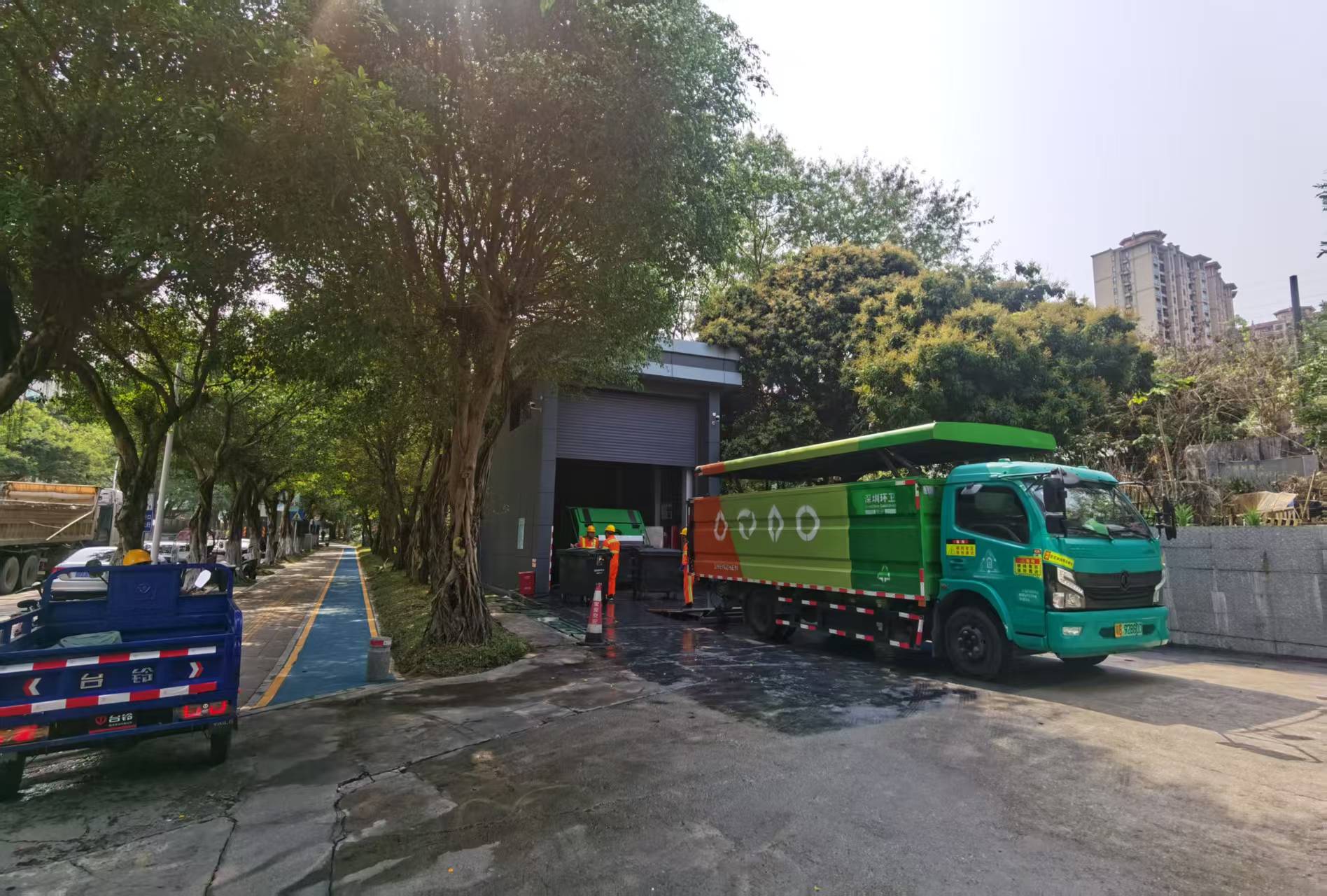
Garbage transfer stations play a critical role in urban waste management systems, serving as temporary hubs where waste is consolidated before being transported to landfills or recycling facilities. However, the accumulation of mixed waste—including organic matter, plastics, and hazardous materials—often leads to the emission of intense and unpleasant odors. These odors primarily result from the decomposition of organic waste, microbial activity, and chemical reactions within the waste piles. To address this challenge, specialized deodorant for garbage transfer stations has been developed as an essential tool for effective odor control. These solutions not only improve the working environment for staff but also mitigate community complaints and ensure compliance with environmental regulations.
A garbage deodorant typically functions through multiple mechanisms to neutralize or eliminate odor-causing compounds. Common approaches include chemical neutralization, microbial digestion, and physical masking. Chemical deodorants often contain oxidizing agents such as hydrogen peroxide or chlorine-based compounds that break down volatile organic compounds (VOCs) and sulfur-based gases like hydrogen sulfide. Microbial deodorants utilize enzymes or beneficial bacteria to accelerate the decomposition of organic matter, reducing odor at its source. Additionally, odor remover formulations may incorporate plant-based extracts or essential oils to mask unpleasant smells temporarily while providing a more agreeable atmosphere.
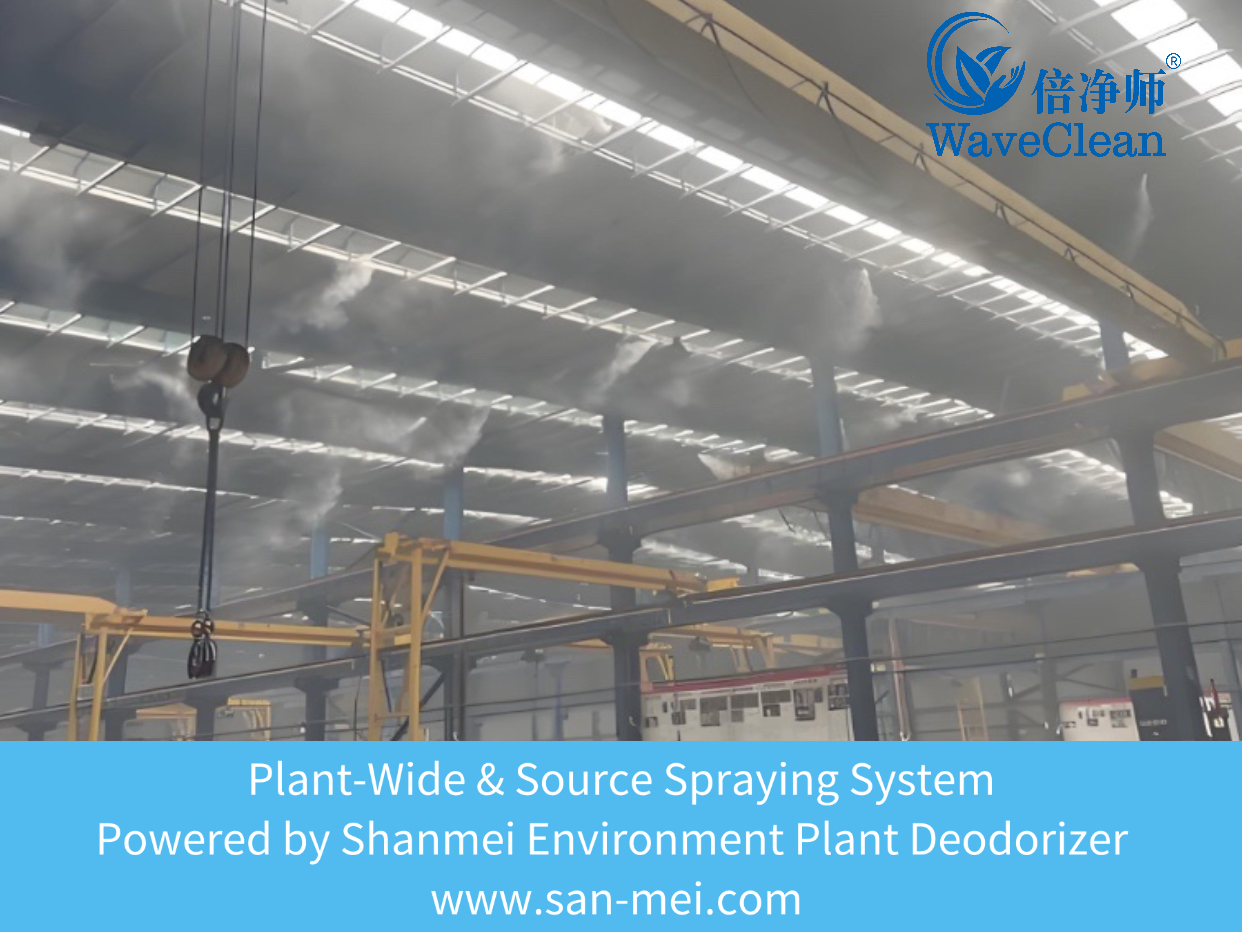
The effectiveness of a deodorant in garbage transfer stations depends on factors such as waste composition, humidity, temperature, and ventilation. For instance, in high-humidity environments, microbial activity increases, leading to stronger odors that require more robust treatment. Modern deodorant systems are often designed for automated application, using misting or fogging devices to ensure even coverage across large areas. These systems can be integrated with sensors that detect odor levels in real time, allowing for precise and timely intervention. By targeting odor sources directly—such as waste piles, drainage systems, and compaction equipment—these solutions provide comprehensive odor management.
Implementing an efficient odor control strategy not only enhances operational efficiency but also promotes sustainability. Many contemporary deodorant for garbage transfer stations are formulated with eco-friendly ingredients that are biodegradable and non-toxic, minimizing environmental impact. Furthermore, effective odor control helps reduce the spread of airborne pathogens, contributing to public health and safety. As urban populations grow and waste management demands increase, advanced deodorant technologies will continue to play a vital role in creating cleaner, healthier, and more sustainable waste handling systems.
As a professional chemicals manufacturer in the water treatment Industry, Sanmei have helped more than 5,000 plants with process solutions and helped them improve production efficiency, reduce costs, and optimize profit plans. Our main goal is to assist you in optimizing production efficiency and profitability in a sustainable way. Welcome to consult us and get a free wastewater treatment solution by filling in the form below or email to sales@san-mei.com.
 中文
中文 English