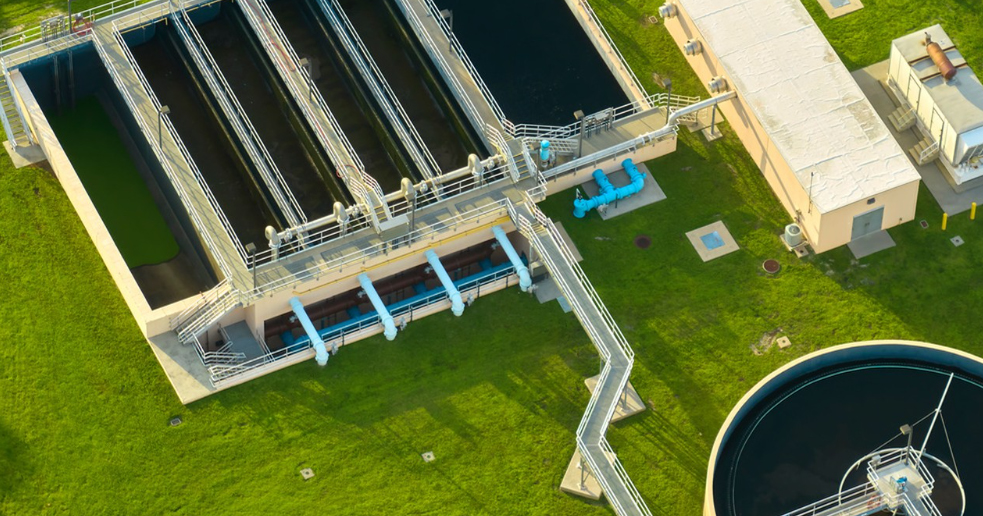
The effective management of excessive total phosphorus in wastewater is critical for environmental protection, as elevated phosphorus levels can cause eutrophication in water bodies, leading to algal blooms and oxygen depletion. Industries such as agriculture, food processing, and municipal wastewater treatment facilities must employ advanced strategies to remove phosphorus effectively and comply with stringent regulations. The use of specialized phosphorus removal agents is central to achieving these goals, offering targeted and efficient solutions for complex wastewater challenges.
The science behind phosphorus removal from wastewater involves multiple mechanisms, including chemical precipitation, biological uptake, and adsorption processes. Chemical phosphorus removers typically consist of metal salts such as aluminum sulfate (alum), ferric chloride, or calcium-based compounds. These agents react with soluble phosphate ions to form insoluble precipitates, which can then be separated from the water through sedimentation or filtration. Biological phosphorus removal, on the other hand, utilizes specific bacteria that accumulate phosphorus within their cells, which is later removed as sludge. Advanced systems often combine chemical and biological methods to enhance efficiency, particularly in cases of high or variable phosphorus loads.
Selecting the right phosphorus removal agent depends on various factors, including wastewater pH, phosphorus concentration, and the presence of competing ions. For example, aluminum-based agents are effective in near-neutral pH conditions, while iron-based agents perform well across a broader pH range. In addition to chemical treatments, modern systems incorporate smart dosing technologies that adjust agent addition in real-time based on continuous phosphorus monitoring, optimizing performance while minimizing chemical consumption and operational costs.
Environmental sustainability is increasingly prioritized in phosphorus treatment strategies. Innovations in phosphorus removal agents now include eco-friendly formulations with lower environmental impact, as well as processes that enable phosphorus recovery for reuse in agriculture as fertilizer. This circular economy approach not only addresses pollution but also transforms waste into a valuable resource, aligning with global sustainability goals.
In summary, treating excessive total phosphorus requires a tailored, multi-faceted approach that leverages advanced phosphorus removal agents and technologies. By integrating chemical, biological, and smart monitoring systems, industries can achieve regulatory compliance, protect aquatic ecosystems, and contribute to sustainable resource management.
As a professional chemicals manufacturer in the water treatment Industry, Sanmei have helped more than 5,000 plants with process solutions and helped them improve production efficiency, reduce costs, and optimize profit plans. Our main goal is to assist you in optimizing production efficiency and profitability in a sustainable way. Welcome to consult us and get a free wastewater treatment solution by filling in the form below or email to sales@san-mei.com.
 中文
中文 English