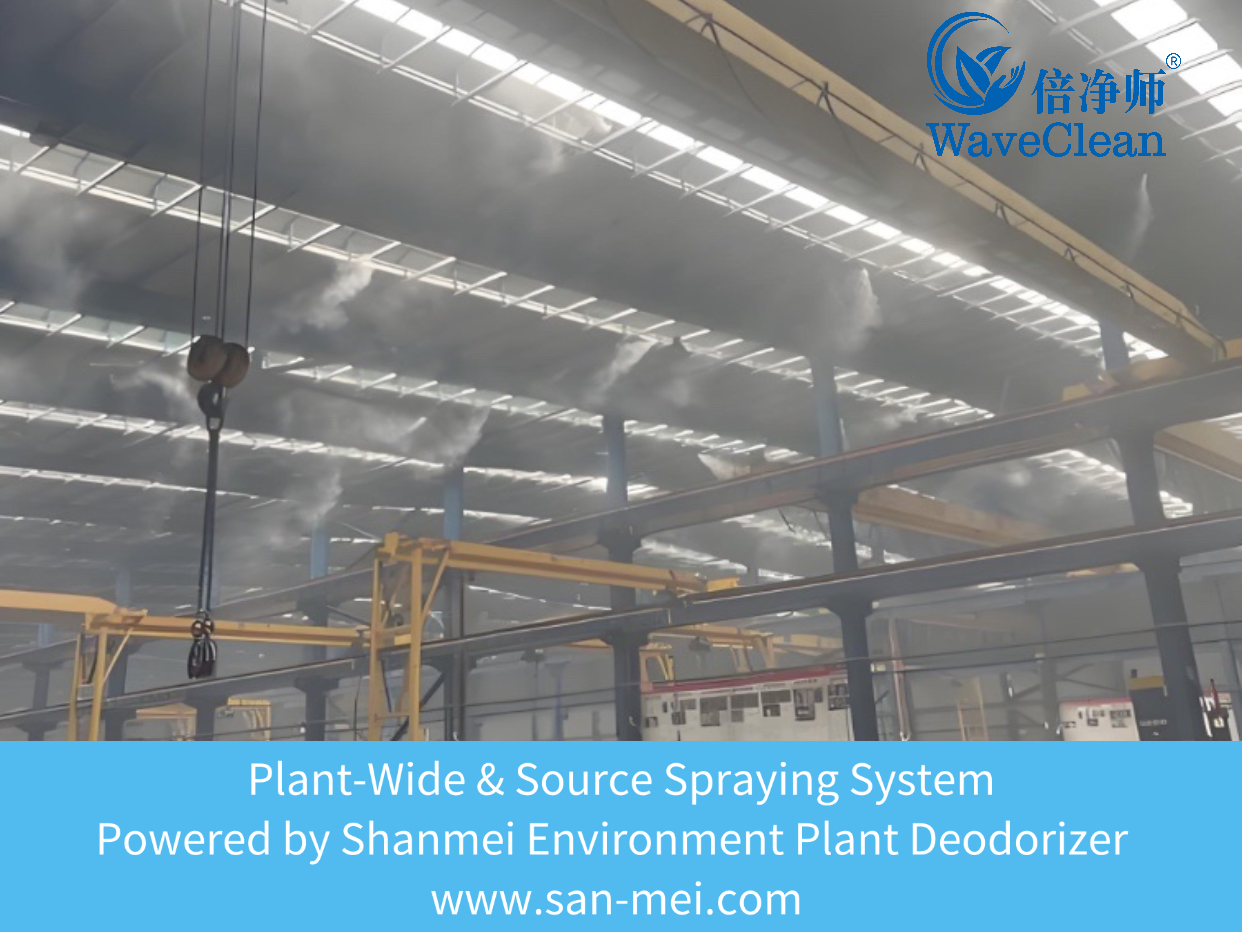
Solving Complex VOC Emissions: A Tailored Solution for Industrial Workshops
Industrial manufacturing processes vary widely, each presenting unique challenges in air quality management. Different raw materials and production environments generate exhaust gases with distinct compositions and concentrations. Often, these emissions are complex mixtures, containing not only volatile organic compounds (VOCs) but also particulate dust, acidic, and alkaline gases. Effective purification, therefore, relies on selecting the precise deodorizing agent tailored to the specific pollutant profile.
The Challenge: Uncontrolled VOC Emissions
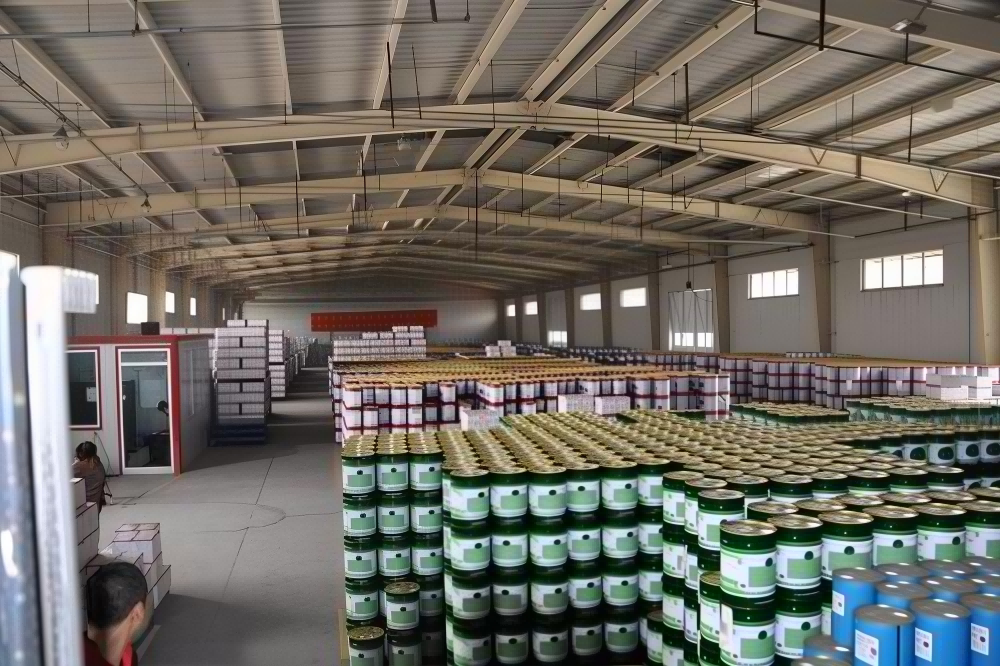
A client faced significant environmental and operational challenges due to untreated exhaust gases from several production workshops. Their processes emitted a complex blend of organic pollutants including toluene, formaldehyde, ethyl acetate, methanol, isopropanol, n-hexane, and triethylamine. The direct discharge of these VOCs severely impacted both the indoor workshop environment and the surrounding area.
The Setup and Requirements
The facility comprises multiple workshops, each equipped with an independent scrubbing tower system designed for a air volume of 25,000m³/h, featuring a 5m³ circulating water tank. Downstream processes included activated carbon adsorption towers and UV photolysis. The client's key requirements were clear:
lComplies with emission standards for treated VOCs exhaust after treatment.
lEnsure all products used are non-toxic to human health.
lMaintain low comprehensive operational costs.
Our Targeted Solution:
Through detailed analysis of the on-site odor composition and industry characteristics, we recommended specialized plant deodorant. The client's malodorous gases were primarily benzene derivatives, aldehydes, and ethers—compounds this formula is specifically engineered to target with high efficiency in removing odors. Added directly to the circulating water tank, the deodorant interacts with exhaust gases during the scrubbing process. It works through displacement and decomposition mechanisms, converting malodorous gases into carbon dioxide, water, and other non-odorous substances.
Product Profile:
This plant deodorant utilizes advanced botanical extraction technology. Its primary components include over 30 plant extracts such as peppermint, lemongrass, ginkgo biloba leaves, tea polyphenols, grape seed, cinnamon plants, eucalyptus oil, mugwort, lotus, and lavender. It operates on the principle of rapid decomposition and neutralization, breaking down odorous molecules and various organic substances that cause smells, converting them into CO₂, water, and microbial cell components.
Client Feedback
The results were immediately impactful. The client reported a significant improvement in odor control, praising the solution for its simple application, rapid action, and pronounced effectiveness. Unpleasant odors were drastically reduced both at the exhaust vents and throughout the plant area, leading to high satisfaction among on-site personnel.
This case demonstrates that with the correct, targeted approach, even complex industrial VOC emissions can be managed effectively, ensuring regulatory compliance, a safer workplace, and environmental responsibility.
As a professional chemicals manufacturer in the water treatment Industry, Sanmei have helped more than 5,000 plants with process solutions and helped them improve production efficiency, reduce costs, and optimize profit plans. Our main goal is to assist you in optimizing production efficiency and profitability in a sustainable way. Welcome to consult us and get a free wastewater treatment solution by filling in the form below or email to sales@san-mei.com.
 中文
中文 English