Waterborne paint wastewater presents significant environmental challenges due to its complex composition of pigments, resins, additives, and surfactants. Implementing effective decolorizer solutions requires specialized approaches that address both the chemical complexity and visual appearance of this industrial effluent. Modern decolor agent technologies have evolved to specifically target the color-causing compounds in paint wastewater while ensuring compliance with stringent discharge regulations.
The mechanism of advanced decolorizer for wastewater in paint applications involves multiple treatment approaches. These specialized systems typically combine chemical coagulation, oxidation processes, and adsorption technologies to effectively Remove Color for waterborne paint wastewater. The treatment begins with pH adjustment to optimize conditions for color removal, followed by the addition of Chemical Decolorizing Agents that destabilize pigment particles and organic dyes through charge neutralization and chemical bonding.
Contemporary decolorizer formulations for paint wastewater are engineered to handle various pigment types including titanium dioxide, iron oxides, and organic colorants. These systems work through several simultaneous processes: chemical oxidants break down complex dye molecules, coagulants aggregate suspended particles, and specialized adsorbents capture dissolved color compounds. The effectiveness of these treatments depends on factors such as wastewater composition, pigment concentration, and the presence of interfering substances like surfactants and stabilizers.
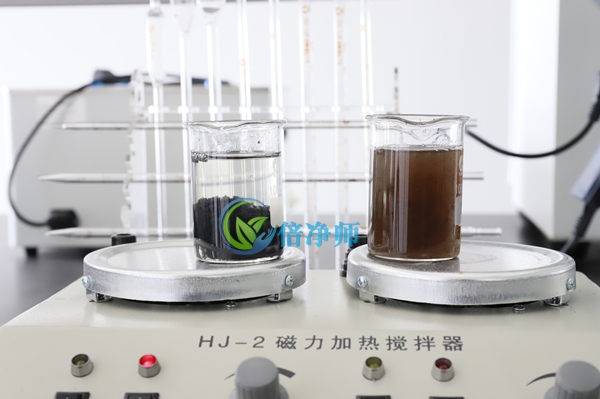
For comprehensive color removal, modern treatment systems often employ multi-stage processes. Initial treatment focuses on pigment separation using inorganic coagulants, followed by advanced oxidation using hydrogen peroxide or ozone-based systems. Final polishing stages may include activated carbon or specialized adsorbent media to achieve desired effluent clarity. Many facilities now incorporate automated dosing systems that adjust treatment parameters based on real-time color measurement and wastewater flow rates.
The latest innovations in paint wastewater decolorization emphasize environmental sustainability and operational efficiency. New generations of decolor agent formulations feature improved biodegradability, reduced chemical consumption, and better compatibility with downstream biological treatment processes. These advancements not only achieve effective color removal but also contribute to overall wastewater treatment system performance by reducing chemical oxygen demand and improving sludge dewatering characteristics.
Successful implementation of decolorization systems provides paint manufacturers with multiple benefits including regulatory compliance, reduced environmental impact, and potential water reuse opportunities. As environmental regulations continue to evolve and water conservation becomes increasingly important, effective color removal technologies play a crucial role in sustainable paint manufacturing operations.
As a professional chemicals manufacturer in the water treatment Industry, Sanmei have helped more than 5,000 plants with process solutions and helped them improve production efficiency, reduce costs, and optimize profit plans. Our main goal is to assist you in optimizing production efficiency and profitability in a sustainable way. Welcome to consult us and get a free wastewater treatment solution by filling in the form below or email to sales@san-mei.com.
 中文
中文 English