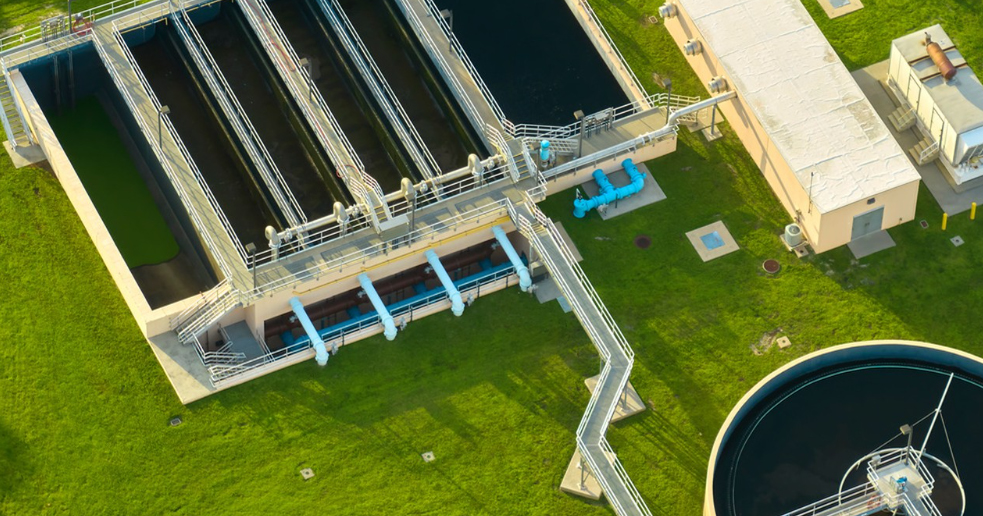
The effective removal of fluoride ions from industrial and municipal wastewater presents significant environmental and regulatory challenges, particularly as discharge standards become increasingly stringent worldwide. Implementing proper wastewater fluoride treatment requires understanding the chemical behavior of fluoride compounds and selecting appropriate fluoride removal agent technologies based on specific wastewater characteristics and treatment objectives.
The process of remove fluoride typically involves multiple treatment stages, beginning with comprehensive water analysis to determine fluoride concentration, pH levels, and the presence of interfering ions. The most common technical approaches include chemical precipitation using calcium or aluminum salts, adsorption with specialized media like activated alumina or bone char, and advanced membrane filtration technologies. For challenging cases requiring deep treatment of high-fluoride wastewater, integrated systems combining precipitation with polishing adsorption often deliver optimal results.
An effective fluoride remover system operates through several mechanisms: chemical precipitation transforms soluble fluoride into insoluble compounds; adsorption processes capture fluoride ions on specially treated surfaces; while membrane technologies physically separate fluoride from water streams. The selection of appropriate fluoride removal for wastewater depends on factors including initial fluoride concentration, flow rates, operational costs, and disposal requirements for treatment byproducts.
Modern fluoride removal agent formulations have evolved to address complex wastewater scenarios. Advanced composite materials now offer higher adsorption capacities, faster kinetics, and better selectivity against competing anions. Many contemporary systems incorporate smart monitoring and automated control features that adjust chemical dosing in real-time based on fluoride concentration measurements, optimizing treatment efficiency while minimizing chemical consumption and operational expenses.
For industries dealing with exceptionally high fluoride concentrations, specialized approaches to deep treatment of high-fluoride wastewater may include multi-stage precipitation, electrocoagulation, or ion exchange systems. These advanced solutions often require customized engineering design and careful management of sludge generation and disposal. The integration of fluoride recovery technologies can transform waste streams into valuable byproducts, supporting circular economy principles in water treatment operations.
The successful implementation of fluoride removal systems provides substantial benefits beyond regulatory compliance. Facilities achieve improved environmental protection, reduced risks to aquatic ecosystems, and enhanced community relations. As water scarcity concerns grow globally, effective fluoride removal technologies also contribute to water reuse initiatives, making treated wastewater suitable for various industrial and agricultural applications.
As a professional chemicals manufacturer in the water treatment Industry, Sanmei have helped more than 5,000 plants with process solutions and helped them improve production efficiency, reduce costs, and optimize profit plans. Our main goal is to assist you in optimizing production efficiency and profitability in a sustainable way. Welcome to consult us and get a free wastewater treatment solution by filling in the form below or email to sales@san-mei.com.
 中文
中文 English